
Food Delivery Near Me: How It’s Changing the Way We Eat Today
Introduction: A New Era of Convenience in Dining
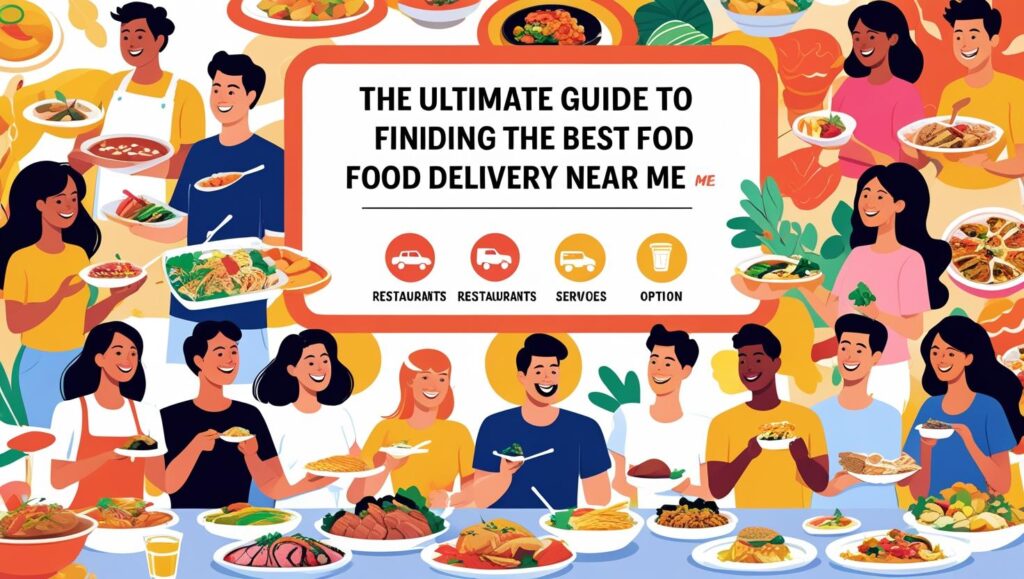
In recent years, online food delivery services have revolutionized the way people order, eat, and enjoy their meals. Gone are the days when dining out or cooking at home were the only options. With just a few taps on a smartphone, customers can now explore a variety of cuisines, browse restaurant menus, and get meals delivered straight to their doorstep. This transformation is not just about food—it’s about time, convenience, and choice. Whether you’re craving a quick lunch, a midnight snack, or a family dinner, online food delivery apps offer unmatched flexibility and accessibility, Visit my app link.
1. Technology Driving the Food Delivery Boom
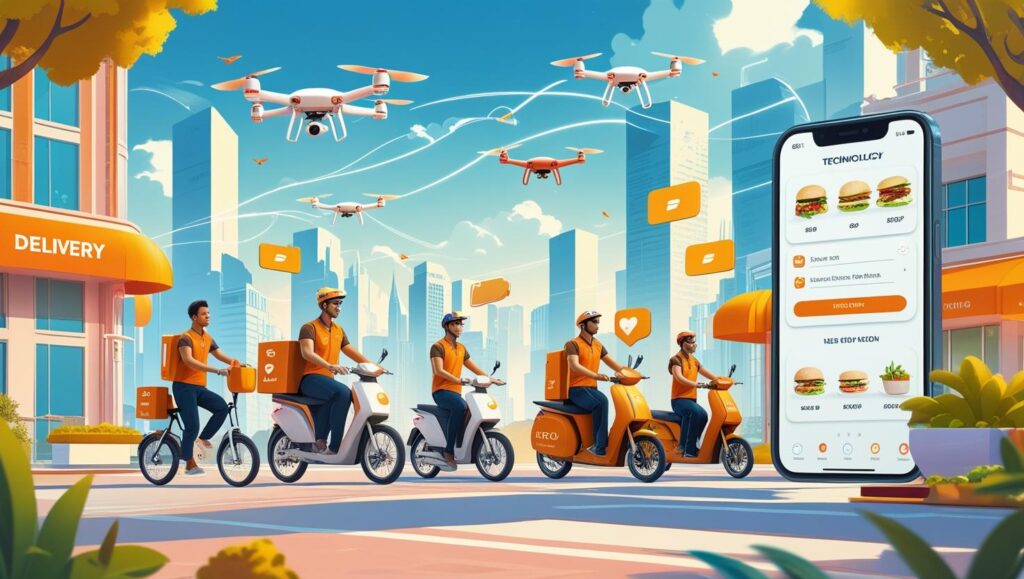
The rapid growth of online food delivery services has been fueled by advances in mobile technology, high-speed internet, and digital payment systems. Mobile apps are now equipped with user-friendly interfaces, real-time tracking, AI-powered recommendations, and secure payment gateways. These features have made ordering food online simple and efficient for customers of all ages. Additionally, GPS tracking allows users to follow their food from kitchen to doorstep, creating a sense of transparency and trust. With constant improvements in home service and , technology continues to play a vital role in shaping this booming industry.
2. Benefits for Customers and Restaurants Alike
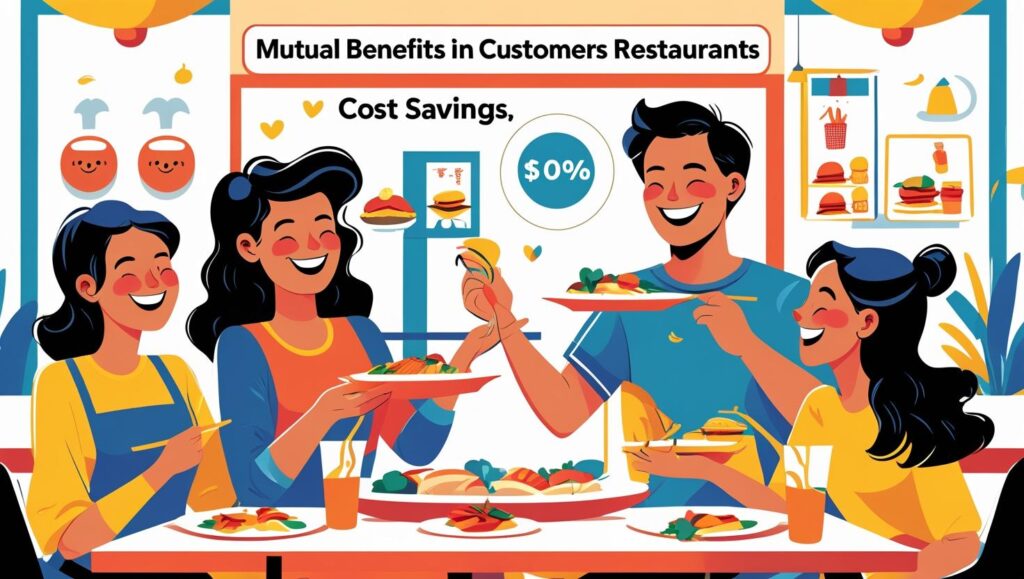
Online food delivery isn’t just a convenience for customers—it also brings numerous benefits to restaurants and food vendors. For customers, the key advantages include variety, quick access to meals, and ease of ordering without leaving home. For restaurants, it opens up opportunities to reach a broader audience, especially those who may never visit in person. It also allows businesses to scale faster, reduce dine-in overhead costs, and experiment with new virtual kitchen models. The partnership between delivery platforms and local eateries creates a win-win situation, ensuring growth on both ends of the food chain.
3. The Impact of COVID-19 on Food Delivery Near Me Services
The COVID-19 pandemic accelerated the adoption of online food delivery services like never before. Lockdowns, health concerns, and the closure of dine-in services pushed people to turn to delivery apps for their daily meals. This period highlighted the importance of contactless delivery, safety protocols, and hygiene transparency. Many restaurants shifted to a delivery-only model or introduced special takeaway menus to stay afloat. As a result, the industry saw a surge in demand, and platforms responded with innovative features like “leave at door” delivery, zero-contact transactions, and real-time customer support. Even after the pandemic, this shift in consumer behavior has largely remained, shaping the future of how we eat.
4. Challenges Facing Food Delivery Near Me Services and the Road Ahead
Despite its growth, the online food delivery industry faces several challenges, including delivery logistics, rising competition, and maintaining food quality during transit. Delivery partners often face pressure to meet deadlines in high-traffic areas or bad weather conditions. Additionally, the commission rates charged by platforms can be burdensome for smaller restaurants. However, innovations like drone deliveries, autonomous vehicles, and sustainable packaging offer promising solutions. As consumer expectations evolve, platforms must continue to balance convenience with ethical and operational responsibilities. The future will be defined by how well these services adapt to changing trends, sustainability goals, and customer feedback.
Conclusion: Shaping the Future of Food Culture
Online food delivery services have become a vital part of modern urban life, reshaping our food culture and how we connect with our favorite meals. From boosting local businesses to offering unparalleled convenience for customers, the industry shows no signs of slowing down. As technology continues to evolve and consumer needs shift, food delivery platforms must innovate, adapt, and focus on sustainability to remain relevant. Ultimately, the future of food is not just about taste—it’s about how fast, safe, and smart it reaches our table.